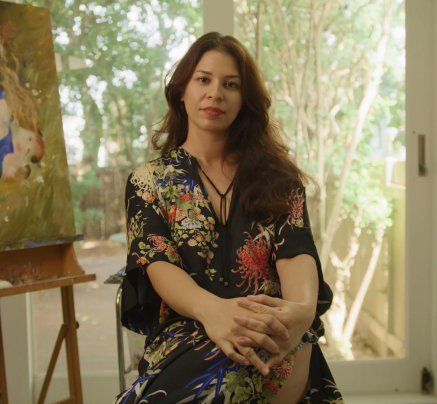
How Amanda Lobos Brought Her World to Zara, Intact
June 16, 2026

There is a moment, when an artist's work moves onto a garment, where something is usually lost.
The colour flattens. The hand disappears. What feels alive on canvas or illustration becomes a print, and a print becomes a product.
The Amanda Lobos x Zara collection is built around the refusal of that moment.

The Artist And Work
Amanda Lobos is a Brazilian illustrator. Her work has built a following for its warmth, its colour, and the closeness of the people she draws.
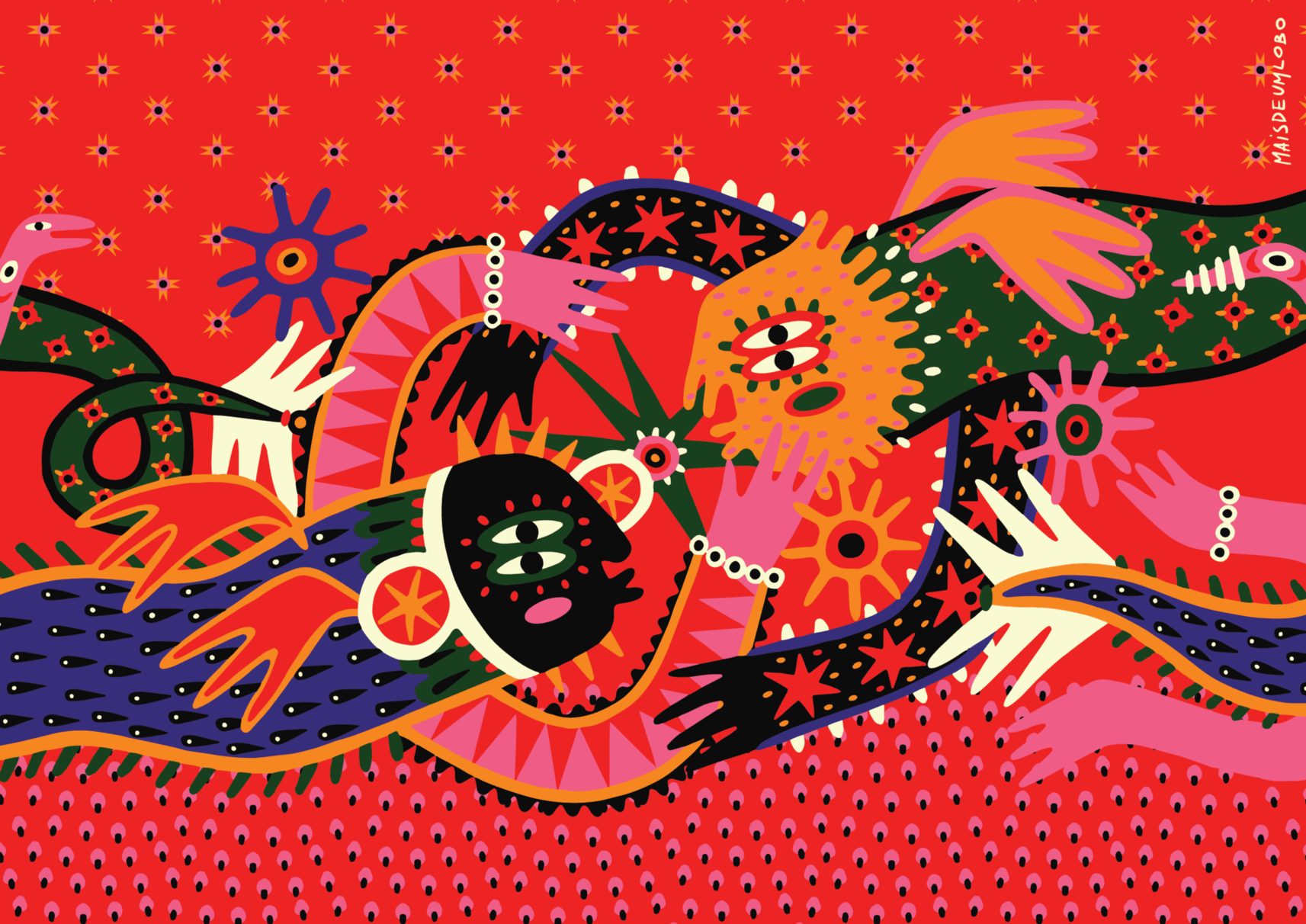
Lobos paints people. Faces close together, eyes open, figures leaning into one another. Her palettes run warm and high. Her lines are loose but certain.
The work is maximal in feeling, but it is never loud. There is restraint underneath it. A sense that everything on the surface is being held in place by something quieter.
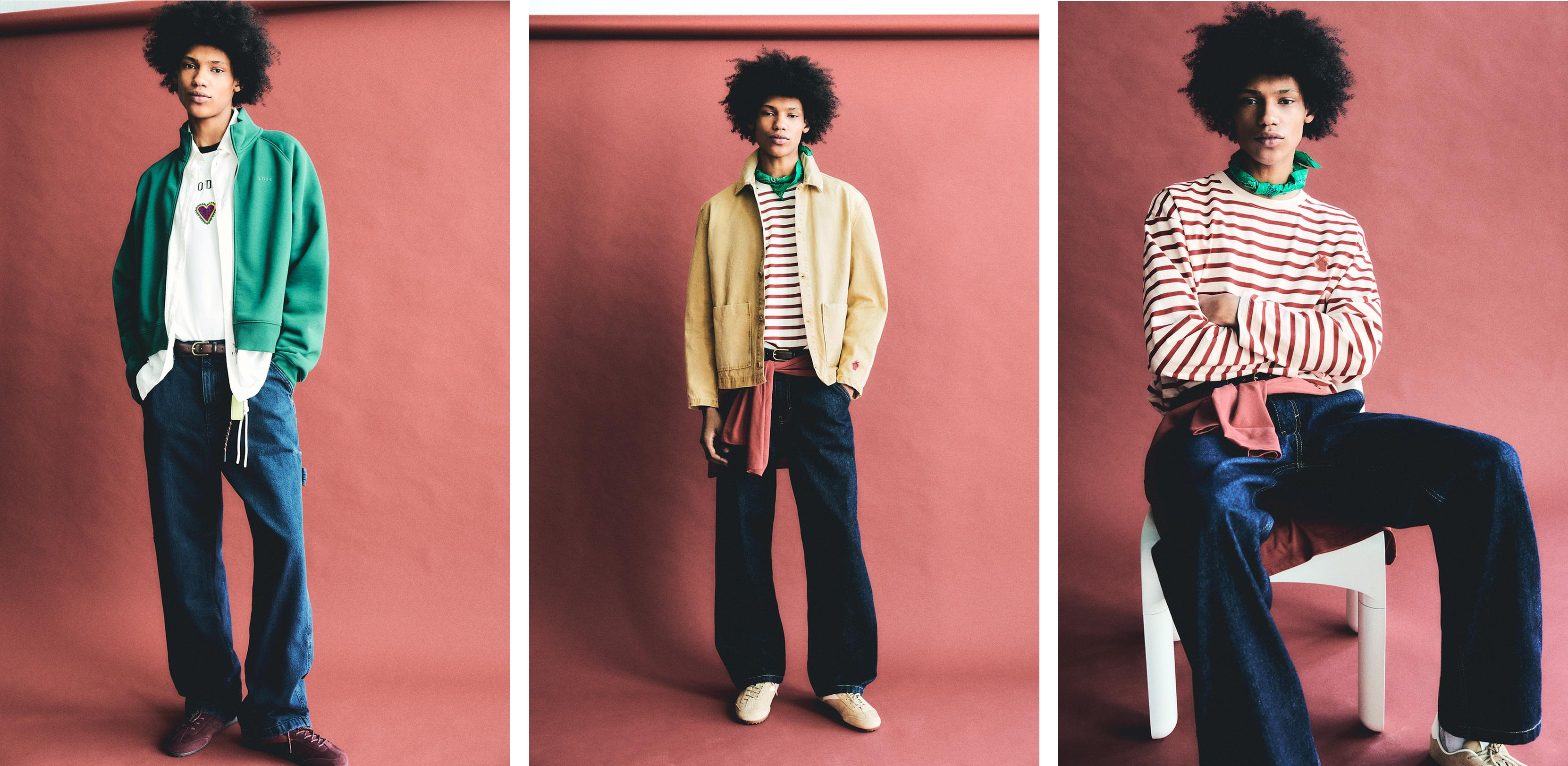
That balance is hard to keep. It is harder still to keep it across six garments produced at retail scale, now available in nine countries across three continents.
"Still processing all this madness." - Amanda Lobos
Lobos posted that the week the collection launched, sharing the Zara homepage with Benito. The reaction of someone watching their own work arrive somewhere larger than expected, and staying exactly themselves inside it.
The Translation
Most artist collaborations solve the scale problem by shrinking the art. A logo. A signature. A small mark in a corner that proves the name was attached.
This collection does the opposite. It lets the work sit where it wants to.
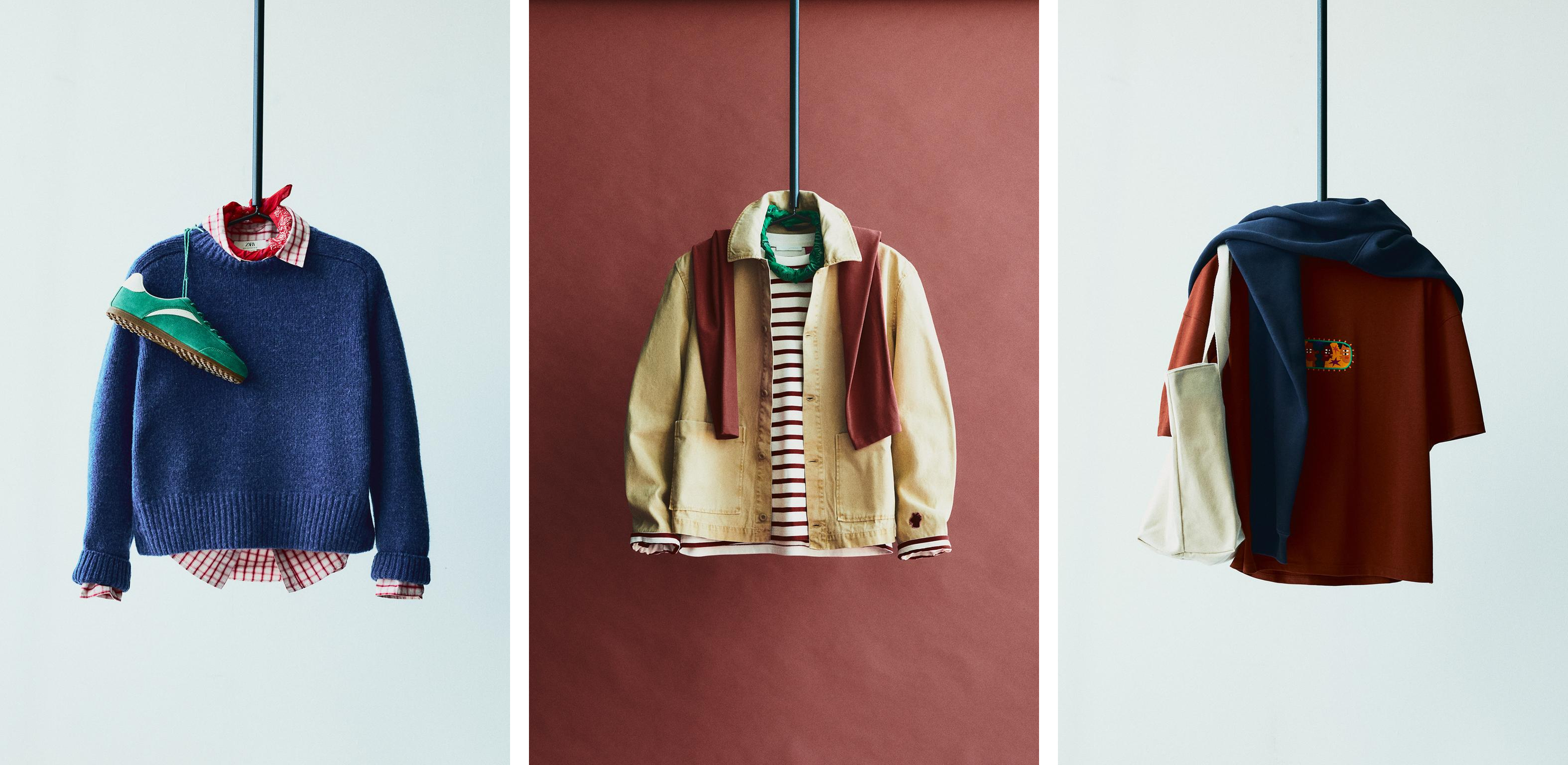
On the rust tee, a scene of figures runs across the chest, hand-stitched and dense. On the cream ringer, a melon heart and a single Portuguese phrase, Coração de Melão. On the hoodie, the detail is pulled back to almost nothing. A badge. A stamp. Lobos in shorthand.
Each piece makes a different decision about how much to say. Together they read as one voice, at different volumes.
The Medium
The interesting thing about putting an artist on a garment is that the garment talks back.
A canvas overshirt carries weight differently than a t-shirt. A wool knit holds embroidery in a way cotton cannot. Lobos worked with that, not against it. The placement shifts. The density shifts. The work adapts to the body it now lives on.
This is the part that is easy to miss. The collection is not a painting reproduced six times. It is six objects, each thinking about her work on its own terms.
What It Means
Art licensing, done badly, treats the artist as a supplier. The work becomes content. The name becomes a sticker.
Done well, it does something else. It carries an artist's world into places it would not otherwise reach, and it gets there without leaving the work behind.
Six pieces. A global retailer. An artist still fully present in all of it.
That was the whole point.
Learn more about Amanda Lobos and other artists at Seminal Artist Group.